Grad Kinder: A Designer’s Review for Branded Merch
As an embroidery designer who has spent years digitizing files and consulting with small business owners, I approach every new machine embroidery design with a critical eye. It is not just about whether the artwork looks cute on a screen; it is about how that design translates into thread, how it holds up on fabric, and ultimately, how it serves the brand identity of the client using it. Recently, I evaluated Grad Kinder, a design intended for kindergarten graduation contexts, to determine its viability for small business merchandise and branded patch use.
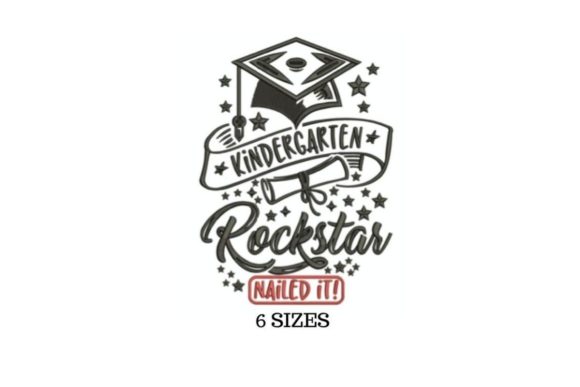
The premise of Grad Kinder is straightforward yet emotionally resonant. The description states that you can make kids feel unique and original on their kindergarten graduation day by embroidering this funny design on a nice piece of cloth. For a professional decorator or a handmade brand owner, this opens up specific avenues for product development. However, moving from a personal gift item to a commercial asset requires a deeper analysis of stitch quality, placement, and versatility.
First Impressions and Visual Personality
When I first loaded the digital embroidery file for review, the immediate impression was one of playfulness mixed with a sense of occasion. The term "funny design" in the product description suggests a whimsical aesthetic rather than a rigid, formal academic look. This is crucial for businesses targeting parents, schools, or family-oriented boutiques. The visual personality leans heavily toward the friendly and decorative side, which can be a powerful tool for engagement.
For a small business, such as a local boutique or a creative studio specializing in children’s apparel, this design offers a way to create emotional connections with customers. It does not scream corporate stiffness; instead, it invites warmth. However, from a design perspective, "funny" can sometimes mean complex outlines or irregular shapes. I looked closely at the potential for stitch density issues. If the design relies on too many satin stitches in tight curves, it could cause puckering on lighter fabrics. A professional review must always balance aesthetic charm with technical feasibility.
Real-World Applications for Small Business Merch
The true test of any embroidery file is its adaptability across different products. Here is how Grad Kinder performs in various commercial scenarios:
- Embroidered Patches: This is perhaps the strongest use case. Creating iron-on or sew-on patches allows businesses to sell add-ons for jackets, backpacks, and hats. The design’s likely bold lines would translate well to a patch format, provided the edges are properly finished with a border stitch.
- Custom Apparel and Uniforms: For preschools or daycare centers offering graduation ceremonies, this design could be embroidered on polo shirts or t-shirts. It serves as a memorable keepsake that parents are willing to pay a premium for.
- Tote Bag Design: Canvas tote bags are a staple for handmade brands. Embroidering Grad Kinder on a natural cotton tote creates a high-value item that feels artisanal and special, perfect for gifting or retail sale.
- Cap Embroidery: While possible, cap fronts are curved and unforgiving. If the design has wide elements, it may distort. I recommend testing this on a structured cap first to ensure the visual integrity remains intact.
- Apron Embroidery: For baking studios or craft workshops hosting kids' events, branded aprons with this design add a professional yet playful touch to staff uniforms or participant kits.
Using Grad Kinder in these ways helps build brand identity. It shows that the business pays attention to detail and understands the emotional milestones of its customers. Whether you are an Etsy seller or a local print shop, offering such specific, themed items can differentiate your small business merch from generic competitors.
Technical Considerations and Placement Strategy
While the concept is strong, execution is everything. As a designer, I advise caution in several areas when using this design for commercial production. First, consider the hoop size. If the design is large, it may not fit on standard 4x4 hoops commonly used for quick patches or baby items. You must confirm the dimensions before promising delivery times to clients.
Second, evaluate the thread colors against the fabric texture. Kindergarten themes often involve bright, primary colors. On dark uniforms or navy blue caps, you will need high-contrast thread choices to ensure legibility. If the design includes fine details or tiny lettering, these may get lost in the pile of towels or textured fleece. Always run a test stitch on the actual material you intend to use.
Another critical factor is the stabilizer. For items that will undergo frequent washing, such as t-shirts or bibs, using a cut-away stabilizer is essential to prevent the design from pulling or distorting over time. A tear-away stabilizer might suffice for a one-time wear item like a graduation sash, but for a durable finished product meant to be kept as a memory, stability is key.
Enhancing Brand Value and Customer Trust
Incorporating Grad Kinder into your product line does more than just add a graphic; it enhances perceived value. When customers see precise, clean embroidery, they associate it with quality and professionalism. This is particularly important for commercial embroidery projects where consistency is vital. If you are producing batches for a school or a chain of boutiques, every stitch must match the previous one.
Furthermore, this design can serve as a excellent tool for customer engagement. Imagine offering a printable mockup on your website showing the design on various items. This helps visualize the end result and reduces hesitation in buying. It positions your brand as thoughtful and capable of handling custom requests with care.
Practical Designer Notes for Production
Before you launch this design into your store or offer it to clients, follow these practical steps:
- Test in Black and White: Remove color variables to check the structural integrity of the stitching. If it looks messy in monochrome, it will look messy in color.
- Check Scale: Resize the design to the smallest intended application, such as a chest logo or small patch. Ensure details do not merge or become indistinct.
- Review Licensing: The description mentions it is a machine embroidery design, but always confirm the commercial license terms. Ensure you have the right to use it for physical goods sold for profit.
- Create Mockups: Use design assets to create realistic images of the design on caps, totes, and shirts. This aids in marketing and sets clear expectations.
- Inspect Spacing: Look for jump stitches that are too long, which might need trimming or tying off manually, increasing production time.
In conclusion, Grad Kinder is a viable option for businesses looking to tap into the sentimental market of childhood milestones. With careful attention to stitch density, fabric choice, and placement, it can elevate your custom apparel and accessory offerings. It is not just a design; it is a tool for storytelling and brand building. By treating it with the technical respect it deserves, you can create products that truly let kids rock the place while boosting your bottom line.