Bandaid with Heart: A Designer’s Review for Business Merch
As an embroidery designer who has spent years digitizing and testing files for commercial use, I approach every new machine embroidery design with a critical eye. It is not just about whether the design looks cute on a screen; it is about how it performs on fabric, how it represents a brand, and whether it holds up under the rigors of daily wear. Recently, I reviewed the Bandaid with Heart design, and it immediately stood out as a versatile asset for small business owners looking to inject personality into their branded merchandise.
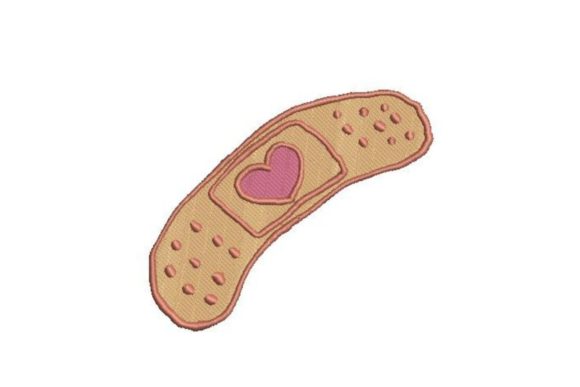
This particular piece falls squarely into the Work category, yet it transcends traditional corporate aesthetics. The concept is simple: a bandaid featuring a heart. However, in the world of Embroidery, simplicity often requires the most precise execution to avoid looking amateurish. This design promises to add a cute and friendly air to projects, particularly those related to the medical field, but its potential extends far beyond clinics and hospitals. For boutique owners, café operators, and handmade brands, this motif offers a unique way to communicate care, warmth, and attention to detail.
First Impressions and Visual Personality
The first thing that strikes me about Bandaid with Heart is its approachable nature. In a market saturated with aggressive logos and stark typography, a design that evokes healing and kindness creates an instant emotional connection. It feels playful yet professional, striking a balance that is difficult to achieve. The visual language suggests a brand that cares about its customers’ well-being, making it an excellent choice for businesses that prioritize customer service and community engagement.
From a technical standpoint, the design appears clean. When evaluating a new digital embroidery file, I look for smooth curves and logical stitch paths. A clunky digitization can ruin the "cute" factor, turning a soft heart into a jagged mess. Based on the description, this design comes with multiple embroidery options, which suggests flexibility. This is crucial for adapting the artwork to different fabric texture types and garment styles without losing integrity.
Real-World Applications for Small Business Merch
For small business owners, versatility is key. You need design assets that work across various products to maintain brand identity consistency. Here is how I envision Bandaid with Heart performing in real commercial scenarios:
- Staff Uniforms and Aprons: For bakeries, florists, or craft studios, embroidering this design on aprons adds a touch of whimsy. It signals that the staff is not just working, but caring for the product and the customer. Apron embroidery benefits from designs that are not too dense, ensuring the fabric remains flexible and comfortable.
- Custom Apparel and Caps: As a chest logo accent or a sleeve detail, this motif works beautifully on t-shirts and hoodies. Cap embroidery requires careful consideration of curvature, but a compact design like this can sit perfectly on the side panel or above the brim, offering subtle branding.
- Tote Bags and Packaging: A tote bag design featuring this element appeals to eco-conscious consumers who appreciate handmade touches. It transforms a generic bag into a statement piece. Additionally, it can be used as a branded patch on packaging for handmade products, elevating the unboxing experience.
- Embroidered Patches: Creating standalone embroidered patch items allows customers to buy merch even if they don’t want a full garment. Patches are high-margin items for Etsy sellers and craft fairs, and this design’s clear outlines make it ideal for cut-and-sew or iron-on applications.
Technical Considerations and Production Notes
While the aesthetic appeal is strong, successful commercial embroidery relies on technical precision. Before running a large batch of custom apparel, there are several factors you must evaluate to ensure the finished product meets professional standards.
First, consider the stitch density. Designs intended for frequent washing, such as staff uniforms, must not be too dense, which can cause puckering, nor too sparse, which may show the backing material. Since the description mentions multiple embroidery variations, check which version offers the best balance for your specific fabric weight. Always test the design on the actual material you plan to use. A design that looks perfect on cotton twill might behave differently on a polyester blend or a textured canvas tote.
Second, pay attention to thread colors. The contrast between the bandaid shape and the heart is vital for visibility. If you are embroidering on dark uniforms, ensure you have a solid underlay and choose thread colors that pop. Conversely, for a subtle, premium look on light-colored linen, monochromatic threads can create an elegant, tonal effect. I recommend creating a printable mockup or sewing a sample swatch to verify color harmony before committing to production.
Third, stabilize correctly. The choice of stabilizer can make or break the outcome. For stretchy fabrics like t-shirts, a cut-away stabilizer is often necessary to prevent distortion around the heart’s curves. For woven fabrics like aprons or tote bags, a tear-away might suffice, but always test first. Also, confirm the hoop size required for the specific file version you purchase. Trying to squeeze a large design into a small hoop can lead to registration errors.
Enhancing Brand Identity and Customer Trust
In the competitive landscape of small business merch, differentiation is everything. Using Bandaid with Heart helps humanize your brand. It moves away from cold corporate imagery and towards a narrative of care and repair. This is particularly powerful for businesses in the wellness, creative, or service industries. When customers see this emblem on your packaging or staff attire, it subconsciously reinforces trust. It suggests that your business is attentive to details and committed to fixing problems or providing comfort.
Moreover, consistent use of such distinctive design assets builds recognition. Whether it is on a coffee cup sleeve, a loyalty card, or a staff shirt, the repeated visual cue strengthens brand recall. For Etsy sellers and handmade brands, this level of thoughtful branding can justify higher price points, as it signals a premium, curated experience rather than mass-produced indifference.
Final Verdict and Practical Advice
The Bandaid with Heart is a strong contender for any small business looking to add warmth to their visual identity. It is not just a decorative element; it is a strategic tool for communication. However, before you begin your next commercial embroidery project, take these final steps:
- Check the Details: The product description notes multiple embroidery options but does not specify exact stitch counts, file formats, or license terms. Always verify these details with the seller. Ensure the file format is compatible with your machine and that the license permits commercial use for the volume of goods you intend to produce.
- Test at Scale: If you plan to use this as a small patch or on a cap, ensure the details remain clear at reduced sizes. Complex hearts can merge with the bandaid outline if scaled down too far without proper digitizing adjustments.
- Mockup for Approval: If you are producing for a client, always present a physical sample or a high-quality digital mockup. This manages expectations and allows for adjustments in thread color or placement before full production runs.
In conclusion, this design offers a charming, professional solution for brands wanting to stand out through kindness. With proper technical preparation and strategic placement, Bandaid with Heart can become a signature element of your business’s visual story, enhancing both employee pride and customer loyalty.