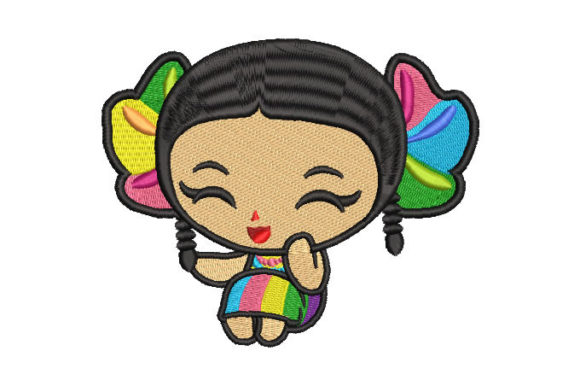
Doll with Colorful Dress: A Designer’s Review
As an embroidery designer who has spent years digitizing files and consulting with small business owners, I approach every new machine embroidery design with a critical eye. It is not enough for a design to simply look cute on a screen; it must perform under the needle, hold up to washing, and serve a strategic purpose for the brand using it. Today, I am reviewing the Doll with Colorful Dress, a digital asset that promises versatility across various fabric types. For boutique owners, Etsy sellers, and apparel decorators, understanding how this specific design translates from a digital embroidery file to a tangible finished product is crucial for maximizing return on investment.
First Impressions and Visual Personality
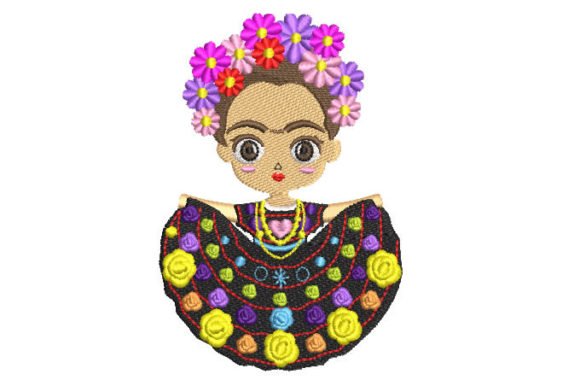
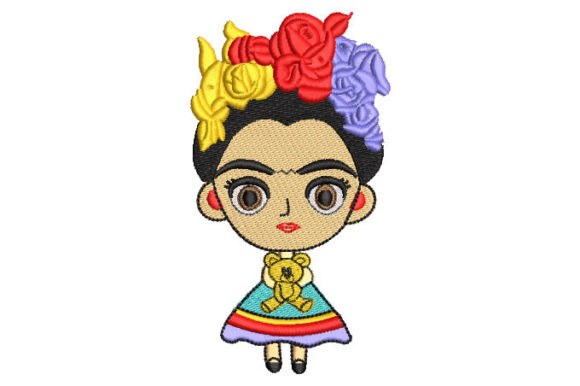
The Doll with Colorful Dress immediately strikes me as playful and inviting. In the world of branding, visual personality dictates customer perception. This design does not scream corporate rigidity; instead, it exudes warmth, creativity, and a handmade charm. For businesses in the Babies category, this aesthetic is invaluable. Parents and gift-givers are drawn to imagery that feels soft, safe, and joyful. However, its appeal is not limited strictly to infant wear. The "colorful" aspect suggests a vibrancy that can energize tote bags, aprons, and casual caps for creative studios or family-oriented cafes.
When I evaluate a design for brand identity, I look for clarity. Does the silhouette read well from a distance? Based on the description, this design is optimized for beauty on any type of fabric you like to work with. This flexibility is a strong starting point, but it requires the embroiderer to make smart choices regarding thread selection and stabilizer to ensure that the "wonderful" nature of the design is not lost in poor execution.
Strategic Applications for Small Business Merch
For the modern craft entrepreneur, small business merch is more than just extra inventory; it is a walking billboard. Here is how I envision the Doll with Colorful Dress performing in real-world commercial scenarios:
- Embroidered Patches: This is perhaps the strongest application. By stitching the design onto twill or felt and cutting it out, you create a versatile asset. These patches can be sold individually as add-ons or applied to denim jackets, backpacks, and lunch boxes. It allows customers to customize their own items, increasing engagement.
- Apron Embroidery: For bakeries, florists, or children’s activity centers, staff uniforms are prime real estate for branding. Placing this design on the chest pocket or lower corner of an apron adds a touch of whimsy that aligns perfectly with service-based businesses focused on care and creativity.
- Tote Bag Design: Canvas totes are a staple for eco-conscious brands. The Doll with Colorful Dress can serve as a central focal point. Because the design is described as beautiful on any fabric, it should handle the texture of canvas well, provided the stitch density is appropriate for the material weight.
- Cap Embroidery: While challenging due to the curved surface, a simplified version or a smaller scale of this design could work on dad hats or beanies. It appeals to parents and caregivers who want subtle, stylish branding rather than loud logos.
Navigating Technical Challenges and Fabric Textures
While the aesthetic potential is high, we must address the technical realities of commercial embroidery. The description notes that the design comes with multiple options, which likely refers to sizes or formats. However, it does not specify exact stitch counts or density. This is where your expertise as a decorator comes into play.
Stitch density is the silent killer of many projects. If the "colorful dress" portion of the design relies on heavy satin stitches or dense fill patterns, it may cause puckering on lightweight fabrics like cotton jersey or silk blends often used in baby clothes. Conversely, if the density is too low, the fabric underneath may show through, ruining the visual impact. I always recommend testing the design on a scrap piece of the exact fabric you intend to use for production.
Furthermore, consider the thread colors. A "colorful" design implies a multi-color palette. In embroidery, each color change adds time and complexity. For high-volume orders, such as staff uniforms, you might need to simplify the colorway to reduce production time while maintaining the design's integrity. Always check the contrast between your thread colors and the base fabric. A dark navy uniform will require different thread shades than a white tote bag to ensure the doll remains visible and vibrant.
Placement and Hoop Size Considerations
Before launching a product line featuring this design, confirm the hoop size requirements. Large designs cannot be placed on small items like baby bibs or pocket squares without scaling down, which may result in loss of detail. If you shrink the design too much, fine lines may merge, and the "doll" may become an indistinguishable blob. Use a printable mockup to visualize the scale on different garments before stitching a single thread.
Also, pay attention to the stabilizer. For stretchy fabrics common in the babies and kids' market, a cut-away stabilizer is often necessary to prevent distortion after washing. For woven fabrics like canvas or denim used in tote bags and patches, a tear-away might suffice, but a mesh stabilizer can provide better support for detailed areas.
Enhancing Brand Identity and Customer Trust
Why choose Doll with Colorful Dress over a generic logo? Because it tells a story. In the realm of handmade product sales, customers are buying into an ethos. They value the human touch. An embroidered design signals quality and effort far more effectively than a printed graphic. When a customer sees this design on a garment or accessory, they perceive higher value. It suggests that the brand cares about details and aesthetics.
Consistency is key. If your brand voice is playful, nurturing, and artistic, this design reinforces that message across all touchpoints. Whether it is on a thank-you card insert, a branded pouch, or the merchandise itself, the visual consistency builds trust. Customers recognize the style and associate it with the positive experience they had with your shop.
Practical Designer Notes for Production
To ensure success with this embroidery file, follow these professional steps:
- Test in Monochrome First: Before committing to expensive multi-color threads, stitch the design in black thread on white fabric. This reveals any issues with spacing, density, or registration without the distraction of color.
- Verify Commercial Licensing: The description mentions it is a wonderful design for any fabric, but it does not explicitly state license terms. Always confirm with the seller that you have the right to use this design for custom apparel and goods intended for sale. Never assume a download includes commercial rights.
- Check File Formats: Ensure the downloaded package includes the format compatible with your machine (PES, DST, JEF, etc.). Using conversion software can sometimes alter stitch paths, so native formats are preferred.
- Create Client Mockups: If you are doing this for a client, use Photoshop or similar tools to overlay the design on photos of their actual products. This manages expectations and secures approval before production begins.
- Inspect Detail at Small Sizes: If using this for small patches or labels, zoom in on the digitized file. Are there tiny, isolated stitches that might break or pull out? You may need to edit the file to remove micro-details that do not translate well to small scales.
In conclusion, the Doll with Colorful Dress is a promising asset for designers targeting the family, baby, and creative lifestyle markets. Its strength lies in its emotional appeal and versatility. However, its success depends entirely on your technical execution. By respecting the limitations of fabric texture, managing stitch density, and ensuring proper licensing, you can transform this digital file into a powerful tool for building your brand. Treat it not just as a decoration, but as a strategic component of your design assets that drives recognition and sales.