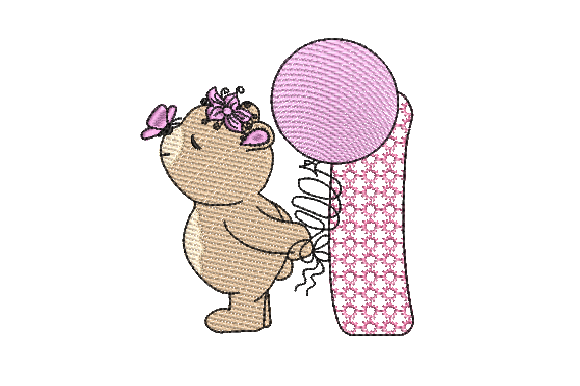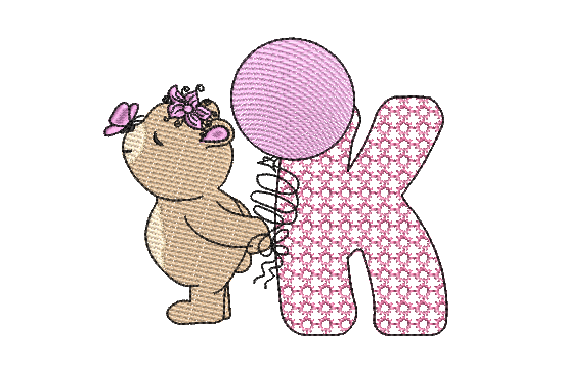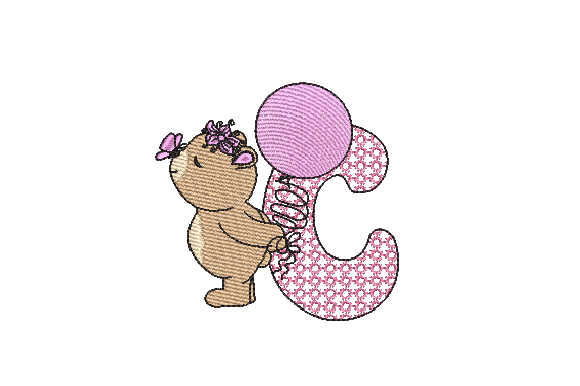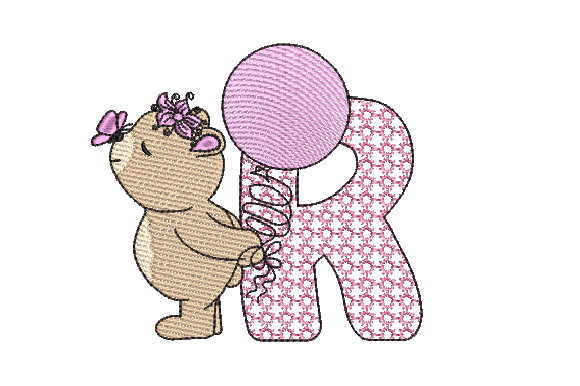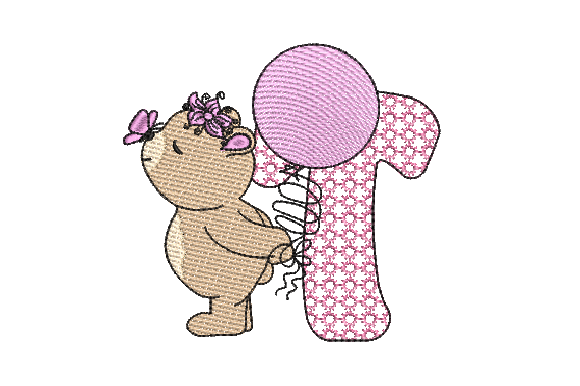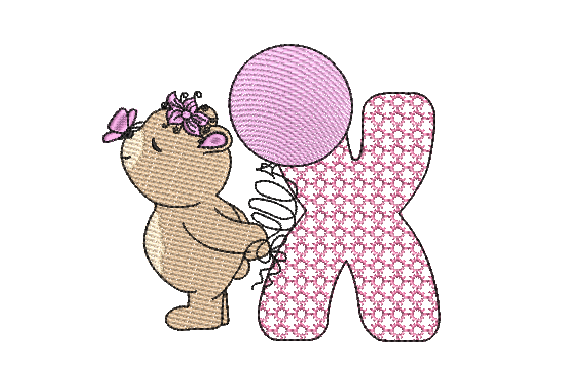
X Girl Teddy: A Designer’s Review of Hand-Drawn Charm
As an embroidery designer who has spent countless hours digitizing and testing files for real-world application, I have learned that not every design needs to be dense or complex to make a statement. Sometimes, the most impactful pieces are those that breathe. Recently, I evaluated the X Girl Teddy embroidery design, part of an alphabet set that promises a hand-drawn aesthetic with minimal underlay. After running it through my standard testing protocol on various fabrics and hoop sizes, I am ready to share how this file performs in actual production environments.
The Visual Appeal of Sketch-Style Digitizing
The first thing that strikes you about X Girl Teddy is its personality. It does not try to mimic the hyper-realistic look of photographic embroidery. Instead, it embraces a sketch-like quality that feels organic and warm. For designers and Etsy sellers, this is a crucial distinction. The current market trend favors authenticity over perfection, and this design delivers that handmade feel even when produced by a machine.
The layout is intentionally light. By using little to no underlay and relying on a sparse fill structure, the design avoids the heavy, plastic-like texture that often plagues cheaper machine embroidery design files. This approach allows the fabric texture to show through, creating a softer integration between the thread and the material. It is particularly effective for projects where you want the embroidery to feel like part of the garment rather than a sticker placed on top.
Real-World Application: From Totes to Baby Gifts
To truly understand the value of a digital embroidery file, you must imagine it in a finished product. I tested X Girl Teddy on a canvas tote bag, a cotton sweatshirt, and a soft muslin baby blanket. The results varied slightly but remained consistently charming.
On the tote bag, the design stood out beautifully against the coarse weave. Because the stitch density is low, it did not pucker the fabric, a common issue with heavier fills on unstructured bags. For custom apparel like sweatshirts, the sketch style complemented the casual nature of the garment. It felt appropriate for a boutique brand targeting young adults or parents looking for personalized gifts.
However, the true winner was the baby item. The light fill makes the embroidery flexible and soft against sensitive skin. Unlike dense satin stitches that can become stiff and scratchy after washing, this design retains its drape. For baby embroidery projects, this is a significant selling point. Parents are increasingly conscious of comfort, and a design that looks delicate and feels soft adds tangible value to your handmade product.
Technical Performance and Stitching Clarity
From a technical standpoint, the "quick to stitch" claim holds up. Without heavy underlay, the machine runs faster, reducing production time for small business owners. This efficiency is vital for craft business operators who need to manage margins carefully. However, speed should never compromise clarity.
I observed that the running stitch elements defining the outline are clean and precise. There is no bird-nesting or loose threads if your tension is calibrated correctly. The lack of dense fill means there is less risk of thread breakage, which is a relief when running multiple items in a batch. For those creating embroidered patches or items that require frequent washing, this lighter construction is advantageous as it places less stress on the fabric fibers over time.
That said, the simplicity of the design demands precision in other areas. Because there is little coverage to hide imperfections, your choice of thread colors becomes critical. High-contrast threads will make the sketch lines pop, while tonal threads will create a subtle, textured effect. I recommend testing both approaches to see which aligns better with your brand aesthetic.
Where to Use Caution
While X Girl Teddy is versatile, it is not universal. Designers must exercise caution when applying this file to certain materials. On very thin or stretchy fabrics, such as silk or lightweight jersey, the lack of substantial underlay might lead to instability. In these cases, using a high-quality cut-away stabilizer is non-negotiable. Do not rely on tear-away stabilizers for stretchy garments if you want the design to remain crisp after several washes.
Additionally, consider the hoop size relative to the design. If you scale this design down significantly for tiny accents on caps or collars, the fine details of the sketch may merge or disappear. The hand-drawn look relies on negative space; if that space is reduced too much, the design loses its character. Always stitch a test sample on scrap fabric before committing to a final embroidery project.
Dark fabrics present another challenge. Since the fill is light, the background color will dominate the visual field. Ensure your thread color contrasts sufficiently with the fabric. A dark thread on a dark fabric will render the design nearly invisible, defeating the purpose of the intricate sketch lines.
Enhancing Brand Value and Customer Trust
For small shop products and boutique branding, consistency is key. X Girl Teddy offers a distinct visual language that can help establish a cohesive brand identity. Its whimsical yet refined appearance appeals to customers looking for something unique rather than mass-produced. When used in holiday embroidery or seasonal collections, it adds a touch of warmth that resonates with buyers.
Moreover, the professional finish of the stitching builds customer trust. A clean, well-executed design signals quality craftsmanship. Whether you are selling finished products or offering design assets to other makers, the reliability of this file contributes to your reputation. Buyers appreciate when a personalized gift feels thoughtful and well-made, and this design supports that perception.
Practical Notes for Designers
Before integrating X Girl Teddy into your workflow, keep these practical tips in mind:
- Test on Scrap Fabric: Always run a test stitch on the same type of fabric you plan to use for the final product. This helps identify any tension issues or registration errors.
- Check Stabilizer Compatibility: Match your stabilizer to the fabric weight. Heavier fabrics may need less support, while lighter ones require robust stabilization to prevent puckering.
- Review Thread Contrast: Experiment with different thread colors to see how they interact with your fabric choices. High contrast highlights the sketch style, while low contrast creates a subtle texture.
- Verify Licensing: If you plan to sell items made with this design, confirm the license terms provided with the embroidery file. Ensure you have the right to use it for commercial purposes.
- Mockup Testing: Create digital mockups in both black and white to assess how the design reads without color distraction. This helps ensure the shape and form are strong enough to stand alone.
In conclusion, X Girl Teddy is a valuable addition to any designer’s library. It balances aesthetic charm with technical efficiency, making it suitable for a wide range of commercial embroidery applications. By understanding its strengths and limitations, you can leverage this design to create products that are not only visually appealing but also durable and comfortable. Whether you are decorating a tote bag design or crafting a special sweatshirt embroidery piece, this file offers the flexibility and quality needed to succeed in today’s competitive handmade market.