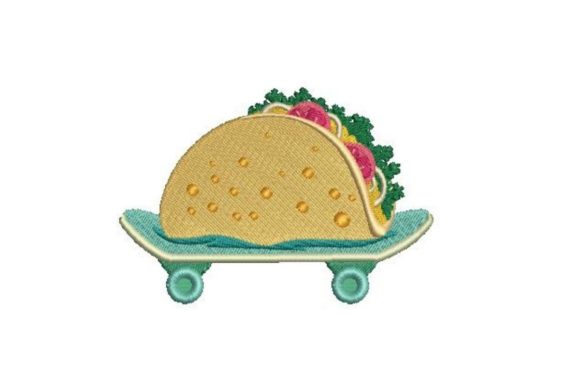
Taco on a Skateboard: A Designer’s Review
As an embroidery designer who has spent years refining digital files for commercial use, I approach every new machine embroidery design with a critical eye. It is not just about whether the image looks cute on a screen; it is about how it translates to thread, how it holds up on fabric, and ultimately, how it serves the brand identity of the small business owner purchasing it. Recently, I reviewed the Taco on a Skateboard design, and I want to share my professional assessment of its potential for branded merchandise and custom apparel.
The concept itself is undeniably playful. Combining a staple of Food culture with the kinetic energy of skateboarding creates a visual that is bold, friendly, and modern. For boutique owners, creative studios, or local cafés looking to inject personality into their small business merch, this design offers a unique opportunity to stand out. But does it perform technically? Let us dive into the details.
First Impressions and Visual Personality
When I first loaded the Taco on a Skateboard file into my software, the immediate impression was one of accessibility. The description notes that it is "very easy to embroider," which is a crucial selling point for both novice crafters and high-volume production shops. In the world of commercial embroidery, ease of stitching often correlates with reliability. A design that stitches perfectly to any kind of fabric reduces the risk of puckering, thread breaks, and wasted materials.
Visually, the design feels decorative yet structured. It does not lean too heavily into rustic or overly elegant territories; instead, it strikes a balance that works well for handmade products aiming for a premium but approachable vibe. This versatility is key. Whether you are running a pet brand with a sense of humor or a florist wanting to appeal to a younger demographic, the visual language here is inclusive and engaging.
Real-World Applications for Small Businesses
The true test of any digital embroidery file is its application. I evaluated how Taco on a Skateboard would function across various common merchandise items. Here is where this design shines:
- Embroidered Patches: This is arguably the best use case. The design’s self-contained nature makes it ideal for iron-on or sew-on patches. These can be sold as standalone accessories or used to upgrade plain denim jackets and tote bags.
- Apron Embroidery: For bakeries, coffee shops, or food trucks, placing this design on the chest pocket of an apron adds a touch of whimsy without compromising professionalism. It signals to customers that the staff is friendly and the brand has personality.
- Cap Embroidery: While curved surfaces are tricky, a simplified version of this design could work beautifully on the front panel of a dad hat or trucker cap, serving as a subtle brand accent.
- Tote Bag Design: Canvas totes are a staple for Etsy sellers. The bold lines of the skateboard and taco shape ensure visibility even from a distance, making it an effective marketing tool when customers carry their purchases around town.
For those creating custom apparel for events or team uniforms, this design acts as a great conversation starter. It moves beyond the standard corporate logo, fostering a sense of community and fun among employees and customers alike.
Technical Considerations and Placement Strategy
While the description promises ease of use, experienced designers know that context matters. You must consider stitch density and placement carefully. Although the file comes in multiple formats, you should always check the specific stitch count and density settings in your software before hitting "start."
Here are some areas where caution is advised:
- Small Patch Sizes: If you scale the design down too much for a tiny label or chest logo, fine details may merge. Always run a test stitch on scrap fabric to ensure the outline of the skateboard wheels and the taco shell remains distinct.
- Textured Fabric: The claim that it stitches perfectly to any fabric is ambitious. On highly textured materials like terry cloth or thick wool, you may need additional underlay stitches to prevent the design from sinking into the pile.
- Dark Uniforms: Ensure you have high-contrast thread colors selected. A dark taco on a black shirt will vanish. Use bright yellows, greens, and whites to maintain visual impact.
- Frequent Washing: Items like aprons and work shirts undergo rigorous cleaning. Verify that your stabilizer choice matches the fabric weight to ensure the finished product retains its shape after multiple wash cycles.
Enhancing Brand Identity and Customer Trust
Incorporating a character-driven design like Taco on a Skateboard does more than just decorate a garment; it strengthens brand identity. In a saturated market, customers connect with brands that show humanity and humor. A well-executed embroidered patch on a package or a shirt signals attention to detail and quality.
When buyers see consistent, high-quality design assets across your product line, it builds trust. It suggests that you care about the presentation of your handmade product. Furthermore, using a unique design helps with recognition. If a customer sees someone wearing a cap with this specific taco skater, they may recall your brand, driving organic engagement and word-of-mouth marketing.
Practical Designer Notes for Production
Before you integrate this into your inventory, follow these professional steps to ensure success:
First, test it in black and white on your monitor. This helps you identify if the shapes are distinct enough without relying on color contrast. Next, create a printable mockup to visualize the scale on different items. Does it look balanced on a sleeve? Is it too dominant on a collar?
Always confirm the hoop size requirements. Even though the design is versatile, you need to ensure it fits within your machine’s capabilities without excessive re-hooping. Select the appropriate stabilizer—cut-away for stretchy fabrics like t-shirts, and tear-away for stable woven materials like canvas totes.
Finally, and most importantly, review the licensing terms. The description mentions it can be used for various projects, but you must confirm commercial rights before selling finished product items. Ensure the embroidery file formats provided are compatible with your specific machine software to avoid conversion errors that could alter stitch paths.
In conclusion, Taco on a Skateboard is a strong contender for small businesses looking to add flair to their merchandise. It balances fun aesthetics with practical usability, provided you respect the technical nuances of embroidery production. By treating it as a strategic brand asset rather than just a decoration, you can leverage its charm to boost sales and customer loyalty.