Star Moon Embroidery: A Craft Fair Designer’s Review
As an embroidery designer who has spent countless weekends behind a booth table, I know that not every design translates well from the screen to the sales floor. When I first loaded the Star Moon machine embroidery design into my software, I was looking for that specific spark that turns a casual browser into a committed buyer. This review is written from the perspective of someone who needs to produce inventory efficiently while maintaining high aesthetic standards for a handmade market.
First Impressions and Aesthetic Appeal
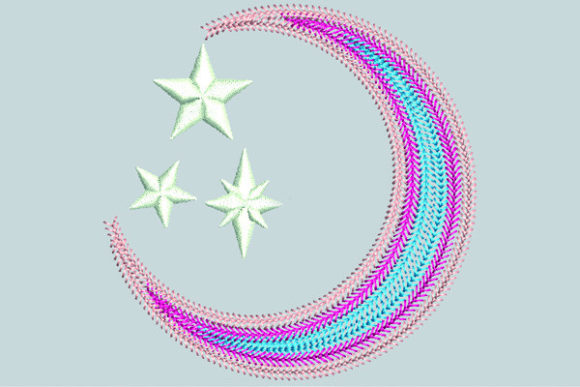
The title alone suggests a whimsical yet timeless theme. In the world of Embroidery, celestial motifs are perennial favorites because they bridge the gap between modern minimalism and rustic charm. Star Moon feels elegant and gorgeous, exactly as described, but more importantly, it feels versatile. It does not scream "seasonal" in a way that limits its shelf life to October or December. Instead, it offers a soft, decorative appeal that works year-round.
For craft fair sellers, this is crucial. You want a craft fair product that appeals to a broad demographic. The design strikes a balance between being fun and easy to stitch while retaining a premium look. It avoids the cluttered appearance that sometimes plagues complex celestial designs, opting instead for clean lines that read well from a distance. This clarity is essential when customers are walking past your booth at speed.
Product Versatility and Market Fit
One of the strongest assets of Star Moon is its adaptability across various substrates. As a boutique maker, I am always evaluating how a single digital embroidery file can maximize return on investment by working on multiple items. Here is how I envision this design performing in a real-world production scenario:
- Tote Bags: This is arguably the best application. A medium-sized Star Moon centered on a canvas tote creates an instant bestseller. The tote bag design potential is high because celestial themes resonate strongly with the eco-conscious and literary crowds frequenting handmade markets.
- Tea Towels and Aprons: For kitchen textiles, the design adds a touch of whimsy. Tea towel embroidery requires a design that is not too dense, and Star Moon appears to fit this bill. On an apron, placed on the bib or pocket, it elevates a standard utility item into a giftable handmade product.
- Pillow Covers and Bed Linens: Given the product category association with Bed items, this design shines on pillowcases. A monochromatic thread choice on white or linen fabric creates a sophisticated, hotel-chic vibe that appeals to higher-end buyers.
- Embroidered Patches: If the hoop size allows for a smaller version, this could be a fantastic add-on item. Patches are low-cost, high-margin items that draw people to the table.
Production Practicality for Small Shops
For the Etsy seller or small shop owner, time is money. The description notes that Star Moon is "fun and easy to stitch." In practical terms, this usually implies manageable stitch counts and fewer color changes. However, as a professional, I advise caution. "Easy" is subjective. Before committing to a batch of twenty tote bags, you must verify the stitch density.
If the design is too dense, it may cause puckering on lighter fabrics like cotton tea towels. Conversely, if it is too sparse, it might not cover the fabric adequately on darker materials. The claim that it comes with multiple embroidery files suggests scalability, which is vital. You need to ensure the design scales down for a cap or up for a throw blanket without losing integrity.
Key Production Considerations
- Fabric Texture: Test on both smooth cotton and textured linen. Celestial designs often rely on negative space; heavy texture can obscure fine details.
- Thread Colors: While gold and silver are obvious choices for stars and moons, consider deep navy or charcoal for a modern, understated look. High contrast is key for visibility in a busy market environment.
- Stabilizer Choice: For stretchy fabrics like tote bags or caps, a cut-away stabilizer is non-negotiable to prevent distortion over time. For woven tea towels, a tear-away may suffice, but test for residue.
- Hoop Size: Confirm the maximum hoop size included in the file. If you plan to do large pillow covers, ensure the design doesn't pixelate or become disjointed when enlarged beyond its intended dimensions.
Visual Impact and Customer Engagement
In a crowded craft fair, visual stoppower is everything. Star Moon has the potential to be a focal point. Its elegance draws the eye, inviting closer inspection. When photographing for online listings, this design performs well because it is recognizable even in thumbnail sizes. A clear, crisp printable mockup can help digital sellers visualize the end result, but nothing beats a physical sample.
I recommend creating at least one "hero" product using Star Moon for your booth display. Place it at eye level. Whether it is a plush velvet pillow or a structured canvas bag, the quality of the stitch work will reflect on your brand. Buyers often equate the neatness of the embroidery with the overall quality of the finished product. Clean backs, trimmed threads, and proper tension are just as important as the design itself.
Designer Notes for Commercial Use
Before listing Star Moon as part of your commercial embroidery lineup, there are critical steps to take. First, verify the license terms. Just because a file is purchased does not automatically grant unlimited commercial rights. Check if there are restrictions on the number of physical items you can produce or if attribution is required.
Second, conduct a stress test. Stitch the design on scrap fabric, wash it, and dry it. Does the thread bleed? Does the fabric shrink around the stitches? These are the questions that prevent negative reviews later. Finally, consider your target audience. If you sell primarily rustic farmhouse goods, pair Star Moon with natural fibers. If your brand is modern and bold, use high-contrast thread colors on dark backgrounds.
In conclusion, Star Moon offers a compelling blend of aesthetic appeal and production feasibility. It is a strong contender for any small shop product line, provided the maker takes the time to optimize thread choices and stabilizers for their specific materials. By treating this design asset with professional care, you can create items that not only sell but also enhance your reputation for quality craftsmanship.