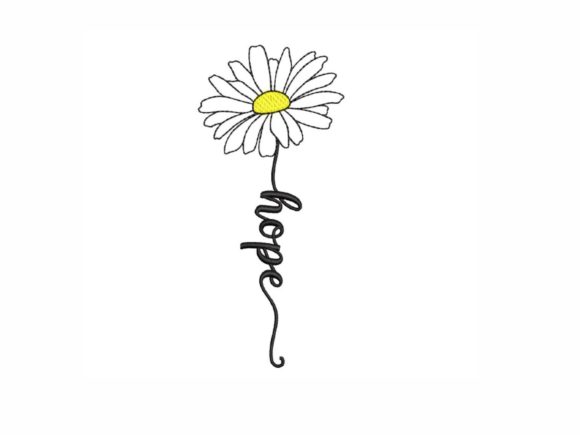
Hope Daisy: A Designer’s Review for Real Projects
As an embroidery designer who has spent years digitizing patterns and testing them on everything from stiff denim to delicate silk, I approach every new machine embroidery design with a critical eye. It is not just about how pretty the preview looks on a screen; it is about how the thread lays down on fabric, how the tension holds up after washing, and whether the final piece feels valuable to the customer. Recently, I evaluated Hope Daisy, an inspirational and dainty floral pattern, to see if it truly delivers on its promise for real-world application.
First Impressions and Visual Personality
The first thing that strikes you about Hope Daisy is its understated elegance. In a market saturated with overly complex, dense designs that eat up thread and time, this piece stands out for its simplicity. The layout is balanced, featuring a classic daisy shape that feels both modern and timeless. It does not scream for attention; instead, it invites a closer look. This makes it an excellent choice for projects where subtlety is key.
The mood it creates is one of calm and optimism. For an Inspirational category item, it avoids cliché typography or heavy-handed messaging. Instead, it relies on the universal symbolism of the daisy—innocence, purity, and new beginnings. Visually, the design appears to use a combination of satin stitch for the petals and potentially a fill stitch or running stitch for the center and stem, though exact stitch types should be verified in the file details. This mix suggests a texture that is smooth yet detailed, providing enough visual interest without becoming bulky.
Real-World Application: The Tote Bag Test
To truly understand the value of an embroidery file, I imagine it in a specific client scenario. Let’s say you are preparing a custom order for a local boutique selling eco-friendly goods. You need a tote bag design that appeals to young professionals who appreciate minimalist aesthetics. Hope Daisy fits this brief perfectly.
When stitched onto a natural canvas tote, the daisy adds a touch of handmade charm without overwhelming the utility of the bag. Unlike larger, heavier designs that can distort thin fabric, the dainty nature of this pattern suggests it will lay flat and remain flexible. Customers often judge the quality of a handmade product by its finish. A clean, well-digitized floral motif signals professionalism. If you are an Etsy seller or run a small shop product line, this kind of versatile asset can become a signature element of your brand, appearing consistently across different items to build recognition.
Versatility Across Product Lines
Beyond tote bags, Hope Daisy demonstrates strong potential in several other categories:
- Custom Apparel: It works beautifully as a small chest pocket emblem on a sweatshirt embroidery project or as a subtle accent on the cuff of a linen shirt.
- Home Decor: The design translates well to pillow covers and kitchen textiles. Imagine a set of white tea towels with a single daisy in the corner; it elevates a basic item into a personalized gift ready for housewarmings or weddings.
- Baby Items: Given its gentle theme, it is suitable for baby embroidery on onesies or burp cloths, provided the stitch density is appropriate for sensitive skin.
- Holiday Embroidery: While not explicitly seasonal, the fresh look of a daisy fits spring holidays like Easter or Mother’s Day, making it a reliable asset for seasonal craft business promotions.
Technical Considerations and Fabric Choices
While the design is versatile, practical experience dictates caution in certain areas. Not every embroidery project is created equal, and fabric choice plays a massive role in the outcome. Here is where you need to apply some designer judgment before hitting the start button on your machine.
Fabric Texture and Weight: On textured fabrics like terry cloth towels, finer details can get lost. If you plan to use Hope Daisy on towels, ensure the stitch definition is sharp enough to stand out against the pile. Conversely, on very thin or stretchy fabrics like jersey knits, you must use the correct stabilizer. A cut-away stabilizer is often recommended for stretchy garments to prevent puckering, which can ruin the crisp lines of the daisy petals.
Stitch Density: One common issue with floral designs is excessive density, which can cause fabric distortion or needle breaks. Since the description highlights the design as "dainty," it likely has moderate density, but you should always check the stitch count and density settings in your software. If the design feels too dense for a lightweight cotton, consider resizing it slightly or adjusting the pull compensation.
Color Contrast: The visual appeal of this design relies heavily on thread colors. On dark fabrics, a white or pastel daisy will pop, creating a high-contrast, striking look. On light fabrics, using varied shades of yellow, white, and green can create depth. I recommend testing the design in black and white mockups first to ensure the shapes remain distinct even without color differentiation. This is crucial for maintaining clarity if a customer views your printable mockup or digital preview on a low-resolution screen.
Commercial Use and Brand Consistency
For commercial embroidery professionals and digital product sellers, consistency is currency. Using a cohesive set of design assets helps build a recognizable brand. Hope Daisy can serve as a foundational element in a larger collection. You might pair it with other botanical motifs or simple text to create themed sets for custom apparel lines.
However, before selling any finished product or including this in a digital bundle, you must verify the licensing terms. Does the purchase allow for unlimited commercial use? Are there restrictions on selling the digital embroidery file itself versus the physical item? These details are not always clear in brief descriptions, so it is essential to read the license agreement provided by the creator. Protecting your craft business from legal issues is just as important as the quality of your stitching.
Practical Designer Notes
To ensure the best results with Hope Daisy, follow these practical steps:
- Test on Scrap Fabric: Never stitch a new design directly on your final garment. Use a similar scrap piece to check tension and registration.
- Check Hoop Size: Confirm that the design fits comfortably within your available hoop size. Leaving adequate margin around the design prevents edge hits and allows for proper hooping.
- Inspect Small Details: Zoom in on the digitized file. Look for any unnecessary jump stitches or tiny, isolated stitches that might cause threading issues.
- Compare Backgrounds: Stitch the design on both light and dark fabrics to see how the thread sheen and color interaction change. This helps in advising customers on the best fabric choices for their embroidered patch or garment.
In conclusion, Hope Daisy is a thoughtful addition to any designer’s library. It balances aesthetic appeal with practical usability, making it a strong candidate for a wide range of Embroidery projects. Whether you are creating a holiday embroidery gift or stocking your online store with fresh small shop product listings, this design offers the reliability and charm that customers seek. By paying attention to fabric choice, stabilization, and licensing, you can leverage this asset to enhance your portfolio and delight your clients.