Fur Mama Embroidery Design Review for Merch
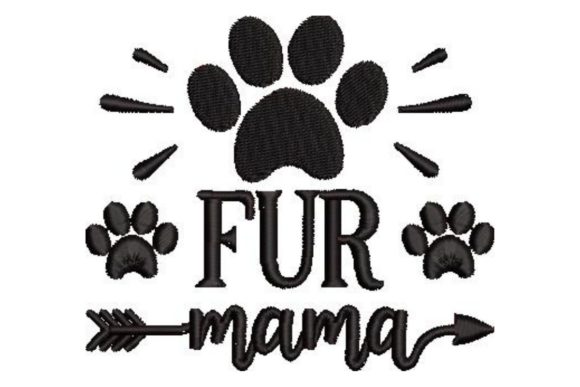
As an embroidery designer who has spent years digitizing and reviewing files for commercial use, I approach every new machine embroidery design with a critical eye. It is not just about whether the image looks cute on a screen; it is about how that design translates to fabric, how it holds up in a wash cycle, and ultimately, how it serves a small business owner’s brand. Today, I am reviewing Fur Mama, a design centered around animal lovers, specifically within the Cats category. This piece features a paw motif and is marketed as a versatile addition to your favorite cloth. Let us break down whether this digital embroidery file deserves a spot in your professional library.
First Impressions: Visual Personality and Brand Fit
The title Fur Mama immediately sets a tone. It is warm, affectionate, and deeply personal. Visually, the inclusion of a paw print suggests a design that is playful yet grounded in the universal language of pet ownership. For businesses in the pet industry, veterinary clinics, or boutique gift shops, this aesthetic is gold. It feels handmade and authentic rather than corporate or cold. When I look at this design, I see potential for a friendly, approachable brand identity. It does not scream luxury or high-end minimalism; instead, it whispers comfort, care, and community. This makes it an excellent candidate for small business merch that aims to build emotional connections with customers.
Real-World Applications for Small Businesses
The versatility of Fur Mama is its strongest asset for entrepreneurs. Because the description notes it comes with multiple embroidery file formats, it is ready for various machines. Here is how I envision this design performing in real commercial scenarios:
- Embroidered Patches: This is perhaps the most lucrative application. A well-digitized paw design can be turned into iron-on or sew-on patches. These are low-risk inventory items for Etsy sellers and craft fair vendors. They allow customers to customize their own jackets or bags, increasing engagement.
- Staff Uniforms and Aprons: Imagine a local cat café or a pet grooming salon. Staff wearing aprons with a subtle apron embroidery of the Fur Mama logo creates instant brand recognition. It signals to customers that the staff are not just employees, but fellow animal lovers. This builds trust and rapport before a single word is spoken.
- Cap Embroidery: Placing this design on the front or side of a baseball cap is a classic move. However, caps have curved surfaces. The design must be simple enough to not distort when stitched on a curved hoop. If the paw detail is clean, it becomes a stylish accessory for pet owners who want to display their pride subtly.
- Tote Bag Design: Canvas tote bags are a staple for boutiques and bakeries. A large-scale version of this design could serve as the main graphic on a reusable bag. It turns a functional item into a walking advertisement for your brand or a customer’s personal style.
Technical Considerations and Production Risks
While the concept is strong, execution is everything. As a designer, I must warn you about specific technical challenges when using Fur Mama for commercial embroidery. The description mentions it is suitable for sewing on your favorite piece of cloth, but "favorite cloth" varies wildly in texture and stability.
Stitch Density and Detail: Paw prints often involve small, rounded shapes. If the stitch density is too high, the thread can bunch up, causing the fabric to pucker. If it is too low, the underlying fabric might show through, especially on dark uniforms. You must check the file settings. If you are stitching on textured fabric like terry cloth towels or thick denim, you may need to adjust the underlay stitches to ensure the design sits flat.
Size Limitations: Do not assume this design works at any size. Tiny lettering or intricate paw pads can become a blob of thread if scaled down too far for a small chest logo. Always test the design at the intended size. For cap embroidery, keep the height restricted to avoid hitting the seam or brim. For patches, ensure the border is solid enough to prevent fraying after cutting.
Thread Colors and Contrast: The success of this design relies heavily on thread colors. A paw print needs to stand out against the background. On dark navy staff shirts, a white or light grey thread will pop. On a beige tote bag, a dark brown or black thread provides necessary contrast. Avoid low-contrast combinations unless you are going for a subtle, tonal look, which may not be visible from a distance.
Enhancing Brand Identity and Customer Trust
Why does this matter for your bottom line? Because consistency builds trust. When a customer sees the same Fur Mama design on your website, your packaging, and your staff’s custom apparel, it reinforces your brand identity. It shows professionalism and attention to detail. A sloppy embroidered logo suggests a sloppy business. A crisp, well-stitched finished product suggests quality and care.
For handmade brands, this design adds value. It transforms a plain item into a branded asset. Whether it is a gift with purchase or a premium add-on, the perceived value of an embroidered item is higher than a printed one. It feels tactile and durable. This perception allows you to charge more for your handmade product lines.
Practical Designer Notes for Implementation
Before you run a production batch of fifty aprons or one hundred patches, follow these steps to ensure quality control:
- Test in Black and White First: Stitch out the design using only black thread on white fabric. This removes color distraction and lets you see the structure. Are there gaps? Is the spacing even? Does the shape hold its integrity?
- Check Hoop Size Compatibility: Confirm the hoop size required for the largest version of the design. Ensure your machine can accommodate it. If you are doing cap embroidery, you need a cap frame, not a standard flat hoop.
- Use Proper Stabilizer: Never skip the stabilizer. For stretchy fabrics like t-shirts, use a cut-away stabilizer to prevent distortion over time. For woven fabrics like canvas totes, a tear-away might suffice, but test first. The wrong stabilizer can ruin the look of the Embroidery.
- Create a Printable Mockup: Before stitching, place the digital file onto a photo of your garment using design software. This helps you visualize placement and scale. Show this mockup to clients for approval if you are doing custom work.
- Verify Commercial Licensing: The description states the file can be used, but always read the specific license terms included with your download. Ensure you have the right to use the design for physical goods you intend to sell. Protect your business from intellectual property issues.
Final Verdict on Fur Mama
Fur Mama is a promising addition to a designer’s toolkit, particularly for those targeting the pet lover demographic. Its strength lies in its emotional appeal and versatility across different merchandise types. However, its success depends entirely on proper technical execution. By paying attention to stitch density, fabric choice, and stabilization, you can turn this simple paw design into a powerful branding tool. Whether you are creating design assets for a new pet boutique or adding a personal touch to your existing small business merch, this design offers a solid foundation. Just remember to test thoroughly, respect the material limits, and let the quality of your stitching speak for your brand.